
9 Best YouTube alternatives to watch and share videos



YouTube is the go-to platform for watching and posting online videos, with over 2.7 billion users worldwide. But it’s not the perfect video-sharing platform for everyone. Some users might explore alternatives based on personal preferences, such as different approaches to data practices, advertising, content recommendations, or a desire to diversify the platforms they use.
Fortunately, YouTube isn’t the only option. In this article, we’ll explore the best sites like YouTube, what they have to offer, and their respective pros and cons.
Why look for a YouTube alternative?
Some users and creators cite issues such as frequent ads, algorithm-driven recommendations, content and monetization policies, and platform data practices as reasons they explore alternative platforms.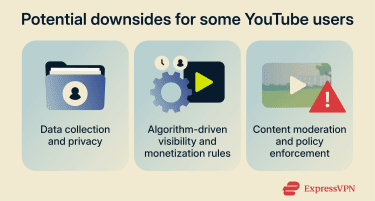
Privacy concerns and data collection
YouTube collects various types of user data to operate and personalize its services. Because YouTube is owned by Google, activity on the platform may be linked to a broader Google account that may also include services like Search, Gmail, Maps, Android, and Ads.
The data YouTube collects can include things like what you watch, what you search for, your approximate location, and the devices you use. Google’s privacy policy states that collected data may be used across services to personalize experiences and advertising.
In some regions, like the European Economic Area (EEA), users must now give explicit consent before their YouTube data is shared across services. YouTube offers privacy settings that allow users to limit some data use, though these may vary by region and account configuration. For users who prioritize minimizing data collection, these factors may influence their decision to explore platforms with different data practices.
YouTube’s algorithm and monetization policies
Like most large video-sharing platforms, YouTube uses algorithmic systems to recommend videos to users. These recommendations are shaped by factors such as watch history, engagement, subscriptions, and related Google Account activity, with the goal of surfacing content that aligns with user interests. For topics where accuracy matters most, such as news, health, and finance, YouTube states that it applies additional measures to elevate authoritative, high-quality information.
Because recommendation systems often rely on prior engagement signals, creators and viewers may have different experiences depending on how a platform is used. For creators, early visibility can vary as a channel builds an audience over time. For viewers, recommendations shaped by past behavior and account activity can emphasize familiar topics or formats that some people may like, while others may prefer a broader range of content.
Monetization is another area where platforms differ in approach. On YouTube, creators can apply to the YouTube Partner Program (YPP) once they meet certain eligibility requirements, which generally include reaching at least 1,000 subscribers and either 4,000 valid public watch hours in the past 12 months or 10 million valid public Shorts views in the last 90 days, along with compliance with platform policies and an active AdSense account. These criteria might factor into how creators evaluate YouTube alongside other video platforms that offer different monetization models or entry requirements.
Content restrictions
YouTube enforces a set of Community Guidelines, platform policies, and Terms of Service that govern what content is allowed, how it’s distributed, and how creators can participate on the platform. These rules are designed to promote safety, legality, and quality and apply to all users regardless of channel size or topic.
As a result, some videos may be restricted, removed, age-limited, or made ineligible for monetization if they violate policies on harmful content, misinformation, copyright infringement, or advertiser suitability. Enforcement can involve automated systems as well as human review, and outcomes may vary depending on context and severity.
While these policies help maintain platform standards, some creators and viewers may have different expectations around how rules are applied, particularly when content is flagged or demonetized. This may prompt some users to explore alternative video platforms with different moderation approaches or content rules.
Top YouTube alternatives compared
While YouTube dominates online video, there’s a growing range of platforms offering different experiences for viewers and creators. Some focus on professional, high-quality content, others on niche communities, and a few on decentralized, community-moderated networks.
Vimeo

| Suitable for | Sharing, watching, and live-streaming videos. |
| Price | Free for both viewers and creators. However, there are four membership option tiers for creators starting at $12 per month (billed annually). |
| Ad-free | Yes |
| Registration required |
|
| Audience | Anyone interested in streaming, uploading, and downloading videos. However, Vimeo is also used by professional filmmakers and producers. |
| Average monthly visits | Estimated around 60–70 million |
| Highest video quality | 4K |
| Website | https://vimeo.com/ |
| Apps for iOS | Download Vimeo for iOS |
| Apps for Android | Download Vimeo for Android |
Vimeo offers a clean and professional video platform suited to viewers and creators who prioritize presentation and control over viral reach. Unlike many major video platforms, Vimeo does not display ads. It also offers password-protected content on paid plans, allowing creators to share videos with a more limited audience. The platform is commonly used for creative, business, and educational content, and it appeals to professionals such as filmmakers, musicians, and corporate teams.
Pros and cons for viewers
| ✅ No platform-served ads. | ❌ Less emphasis on viral or trend-driven content. |
| ✅ High-quality playback. | ❌ Smaller overall content library compared to YouTube's mass-market catalog. |
| ✅ Many creators share polished and professional content. |
Pros and cons for creators
| ✅ Videos can be protected with Digital Rights Management (DRM) on Enterprise plans (available as an add-on). | ❌ Smaller built-in discovery audience compared to YouTube. |
| ✅ Controlled access with passwords and private links on paid plans. | ❌ Advanced tools (privacy controls, monetization, and customization) are limited on free and lower-tier plans. |
| ✅ Monetized through subscriptions and video-on-demand on paid plans. | |
| ✅ Detailed analytics and team tools on higher-tier plans. |
How does Vimeo fare on privacy?
Vimeo's privacy policy states that it collects personal information, such as email addresses, billing details (for paid plans), IP addresses, and authentication data, as well as the content users upload.
Vimeo uses cookies and similar technologies for analytics, service improvement, and marketing its own services, and it may share limited data with third-party partners for these purposes. Vimeo doesn't sell user data but may share information with service providers, analytics partners, and other vendors needed to operate and improve the service.
The company may also provide aggregated analytics to video creators and live-event hosts, and it can disclose user data when required by law, such as in response to court orders. At the same time, the platform offers creators privacy controls to manage who can access their videos.
Dailymotion
| Suitable for | Sharing and watching videos. |
| Price | Free |
| Ad-free | No |
| Registration required |
|
| Audience | Various users across various interest groups. |
| Average monthly visits | Over 500 million |
| Highest video quality | 4K, depending on content and upload settings. |
| Website | https://www.dailymotion.com/ |
| Apps for iOS | Download Dailymotion for Apple |
| Apps for Android | Download Dailymotion for Android |
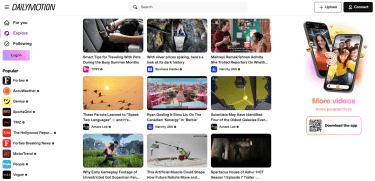
Dailymotion is a long-running video-sharing site that launched in 2005 and offers a familiar alternative to YouTube for watching and sharing videos. It reaches hundreds of millions of users worldwide each month, with estimates often cited at around 300 million. The platform hosts a mix of user-created clips and professional content, covering topics such as news, gaming, and comedy.
Learn more: Is Dailymotion safe?
Pros and cons for viewers
| ✅ Wide range of videos in a variety of genres. | ❌ Fewer users than YouTube means less content. |
| ✅ Clean and easy-to-navigate interface. | ❌ Ads may interrupt playback. |
| ✅ Content tailored to specific regions and languages. | ❌ Search and discovery tools are more limited compared to YouTube. |
Pros and cons for creators
| ✅ Start earning ad revenue after 1,000 views on your profile. | ❌ Discovery often relies on platform curation and partnerships rather than open competition. |
| ❌ Smaller audience and fewer monetization options than YouTube. | |
| ❌ Analytics and engagement tools are more limited than YouTube Studio, especially on lower tiers. |
How does Dailymotion fare on privacy?
According to Dailymotion's privacy policy, it collects personal information such as a username and email address when you create an account, along with any additional profile details you choose to provide. It also collects technical and usage data, including your IP address, device information, and viewing activity.
Dailymotion may receive information from third-party services when you sign in using accounts like Google or Apple. The platform uses an ad-supported model and may share certain data with service providers, analytics partners, and advertising partners to operate and monetize the service. However, its privacy policy does not state that it sells users’ personal data.
Rumble
| Suitable for | Sharing and watching videos. |
| Price | Free (basic use) |
| Ad-free | No |
| Registration required |
|
| Audience | General viewers and creators across various categories, including news, gaming, sports, and niche communities. Rumble is also known for its political and independent content. |
| Average monthly visits | Over 41 million |
| Highest video quality | Up to 4K, depending on upload and encoding. |
| Website | https://rumble.com/ |
| Apps for iOS | Download Rumble for iOS |
| Apps for Android | Download Rumble for Android |
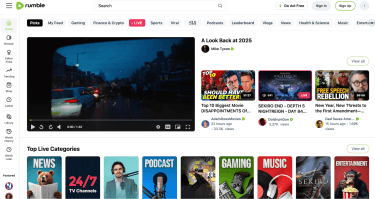
Rumble focuses on making it easier for creators to earn from their videos and for viewers to access content that is moderated differently than on larger platforms like YouTube. It promotes itself as a “Freedom-First” technology platform, leading to some content being allowed under Rumble’s policies that may not be permitted on other platforms. While it is much smaller than YouTube, Rumble has attracted tens of millions of monthly users and experienced growth in recent years.
Pros and cons for viewers
| ✅ Discover content that is moderated differently than on some larger platforms. | ❌ A smaller library of videos than on YouTube. |
| ✅ Watch a variety of user-uploaded videos from different creators. | |
| ✅ Explore alternative and niche topics. |
Pros and cons for creators
| ✅ Monetize videos through Rumble’s monetization programs once eligibility and policy requirements are met. | ❌ Much smaller audience reach compared to YouTube. |
| ✅ Revenue-sharing terms can be more favorable to creators in some Rumble monetization programs compared to YouTube’s standard 55% creator share. | ❌ Tools and community features are less developed than on major sites. |
| ❌ Discovery often depends on platform curation and distribution rather than open competition. |
How does Rumble fare on privacy?
Rumble's privacy policy states that it collects your name, email address, and content you upload, as well as information it automatically collects, such as device details, IP address, and your interactions with the platform. Rumble also uses cookies and similar tracking technologies for analytics and advertising purposes.
The platform shares user data with service providers, partners, and affiliates to operate and improve the service, and may disclose it to other users in certain circumstances. For example, Rumble may share certain subscriber details, such as a name or email address, with creators you choose to support so they can communicate with subscribers.
Rumblestates that it doesn't sell users’ personal information as defined under applicable privacy laws. If its data practices were to change, users would be given the right to opt out where required by law.
Odysee
| Suitable for | Sharing and watching videos. |
| Price | Free |
| Ad-free | Yes |
| Registration required |
|
| Audience | Anyone interested in streaming, uploading, and downloading videos. |
| Average monthly visits | Over 11 million |
| Highest video quality | Supports HD playback, including 1080p, with potential for higher. |
| Website | https://odysee.com/ |
| Apps for iOS | Download Odysee for iOS |
| Apps for Android | Download Odysee for Android |
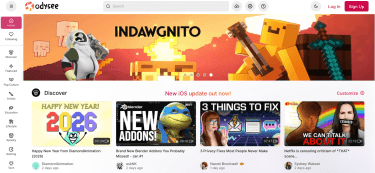
Odysee is another decentralized video platform built on the LBRY protocol, which uses blockchain-based metadata and peer-to-peer (P2P) distribution to reduce reliance on centralized hosting. While the original LBRY company is no longer operating, the underlying network remains accessible, allowing videos to be shared across a distributed system rather than through a single corporate platform.
Odysee previously emphasized cryptocurrency-based rewards through LBRY Credits (LBC), though these incentives now play a limited role for most users. Today, the platform is primarily used by creators and viewers seeking an alternative video service with different moderation policies and fewer platform-level restrictions than those of mainstream sites. The platform has also explored integrating blockchain storage technologies, like Arweave, to enhance long-term content persistence.
Pros and cons for viewers
| ✅ Watch videos without traditional platform ads (optional reward ads or creator promotions may appear). | ❌ Find fewer videos and creators than on YouTube. |
| ✅ May earn limited rewards for engaging with content, depending on availability. | ❌ Search and discovery tools feel simpler and less polished. |
| ✅ Some content may remain accessible longer due to decentralized distribution, though availability isn’t guaranteed. |
Pros and cons for creators
| ✅ Upload videos to a decentralized network to reduce reliance on a single hosting provider. | ❌ Smaller audience than on mainstream sites. |
| ✅ Earn through tips and limited crypto-based rewards | ❌ Slower channel growth without major platform promotion. |
| ✅ Retain more control over distribution compared to centralized platforms, while still operating under platform policies. | ❌ Volatile revenue due to cryptocurrency fluctuations. |
How does Odysee fare on privacy?
Odysee collects personal data, such as your email address, name, and address, when you use the service, as well as technical details, such as your IP address, device details, and the pages you visit. It also uses cookies and tracking files to understand how visitors use the site and to save preferences.
Odysee uses this information to run and improve its service, contact users about their orders, and personalize user experience. The company states that it does not sell users’ personal information as defined under applicable privacy laws, but it may share data with service providers (such as hosting and analytics partners) and with other parties where necessary to run the service or comply with legal requirements.
DTube
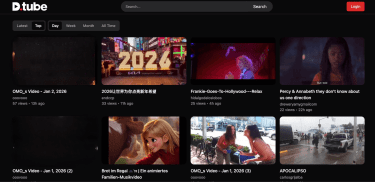
| Suitable for | Sharing and watching videos. |
| Price | Free |
| Ad-free | Ad-free on the platform itself (unless creators embed ads in their own content). |
| Registration required | No registration is required to view, but to upload, vote, comment, or earn, users typically need a compatible blockchain account (e.g., Steem, Hive, or Avalon). |
| Audience | General video viewers and blockchain-savvy creators are comfortable with decentralized platforms and the mechanics of cryptocurrency. |
| Average monthly visits | Estimated at around 83 thousand |
| Highest video quality | Supports high-definition video uploads, commonly up to 1080p and potentially higher depending on encoding and platform support. |
| Website | https://d.tube/ |
| Apps for iOS | No official apps |
| Apps for Android | No official apps |
DTube is a decentralized video platform that uses P2P technology to distribute video content without relying on traditional centralized servers. Its architecture aims to reduce dependence on central infrastructure, and it has been associated with blockchain-based reward systems that allow creators and curators to earn tokens based on engagement and community voting. The platform’s content must still comply with DTube’s Community Guidelines and Terms of Service.
Pros and cons for viewers
| ✅ Watch videos without platform-served ads (creators may include their own promotions). | ❌ Far fewer videos than on major platforms. |
| ✅ Familiar video player controls that are easy to navigate. | ❌ Performance may vary depending on network conditions and peer availability. |
| ✅ Vote on videos, with community engagement influencing what gains visibility. |
Pros and cons for creators
| ✅ May earn blockchain-based rewards through community voting and engagement, depending on platform mechanisms. | ❌ Reach a much smaller audience than on mainstream sites. |
| ✅ Use community voting to help surface content. | ❌ Need to learn blockchain-based tools to get started. |
| ✅ Publish content on a platform designed to reduce reliance on centralized hosting, while still operating under community rules. |
How does DTube fare on privacy?
DTube may collect identifiers, such as usernames, and in some cases, email addresses, depending on how users interact with the platform. It also automatically collects technical and usage data, including IP addresses, device information, and viewing activity, which is used to operate and improve the service and support basic platform features.
The platform uses cookies and similar technologies to manage sessions, remember user preferences, and understand how the service is used. DTube may share data with third-party service providers for infrastructure and analytics purposes, and information may be retained as long as necessary for operational, legal, or technical reasons, including cases where data is stored on decentralized systems.
BitChute
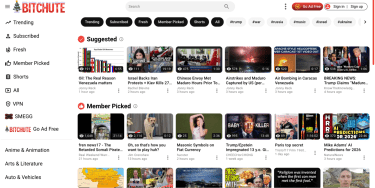
| Suitable for | Sharing and watching videos. |
| Price | Free |
| Ad-free | No |
| Registration required |
|
| Audience | Users and creators who seek fewer content restrictions. |
| Average monthly visits | Over 7 million |
| Highest video quality | Typically up to 480p SD, lower than most mainstream platforms. |
| Website | https://www.bitchute.com/ |
| Apps for iOS | Download BitChute for iOS |
| Apps for Android | None |
BitChute is a video hosting platform that positions itself as a free speech-oriented alternative to YouTube. It lets users watch and share videos with fewer content restrictions than mainstream platforms. Launched in 2017, the site has also become known for hosting controversial content that larger platforms often remove.
Pros and cons for viewers
| ✅ Access many different styles of content from independent creators. | ❌ A much smaller library than on large video sites. |
| ✅ See content that is moderated differently than on mainstream platforms. | ❌ High risk of encountering misinformation or offensive material due to limited moderation. |
Pros and cons for creators
| ✅ Can publish content that may not meet monetization or moderation standards on larger platforms. | ❌ Reach fewer viewers because the audience is smaller than on YouTube. |
| ✅ Monetization through ads, memberships, and direct support from viewers. | ❌ Risk attaching controversy to your content due to the platform’s reputation. |
| ✅ Build a community with niche or dedicated viewers. |
How does BitChute fare on privacy?
According to BitChute's privacy policy, it collects personal information from registered users, including name, age, email, delivery address, phone number, and payment card details. It also collects non‑personal data, such as a user’s device type, OS, browser, and IP address, to help run and improve the service. The user can opt out of providing personal data, though certain information is required to access account-based features.
The platform also states that it doesn't sell or transfer personal data to its partners or advertisers. However, it may share information with service providers and professional advisors (such as accountants) to operate the platform. The company may also disclose personal data where required by law, to protect its rights, or in connection with a merger or sale of assets.
TED

| Suitable for | Watching educational videos and selected livestreamed or recorded conference talks. |
| Price | Free |
| Ad-free | Yes |
| Registration required | Viewers don’t need to register. Speakers are invited or selected through official TED or TEDx programs; open uploads are not supported. |
| Audience | Anyone interested in TED Talks, expert-led discussions, and educational content. |
| Average monthly visits | Over 4 million |
| Highest video quality | 1080p |
| Website | https://www.ted.com/ |
| Apps for iOS | Download TED Talks for iOS |
| Apps for Android | Download TED Talks for Android |
TED is a strong YouTube alternative for education-focused content. It’s a global nonprofit video platform that lets people watch talks and lessons from experts, thinkers, and educators on a wide range of subjects. The site hosts thousands of TED Talks and TED-Ed lessons that aim to spread ideas and spark curiosity among viewers worldwide.
Pros and cons for viewers
| ✅ Watch thought-provoking talks and educational lessons for free. | ❌ Find fewer entertainment or casual videos than on YouTube. |
| ✅ Explore playlists and curated topic collections designed to teach and inspire. | ❌ Limited algorithmic personalization compared to platforms like YouTube. |
Pros and cons for creators
| ✅ Share knowledge and expert insights with a global audience through TED or TEDx programs. | ❌ TED does not function like a regular user-uploaded video platform. |
| ✅ Contribute talks that can reach millions of people worldwide. | ❌ You must go through a selection or curation process rather than uploading freely. |
| ✅ Feature in an archive that prioritizes ideas worth spreading. |
How does TED fare on privacy?
TED's privacy policy states that it collects personal information when users create an account, subscribe to its services, or otherwise interact with the platform, as well as technical data such as IP addresses and usage details. This information is used to operate, maintain, and improve the site.
It also relies on third-party tools and service providers for analytics, site performance, and limited promotional purposes. This may involve sharing certain user data to understand how people engage with content and to support basic site functionality and preferences, rather than ad-driven targeting.
Twitch TV
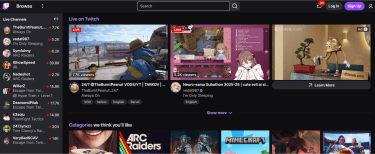
| Suitable for | Live-streaming and watching gaming and non-gaming content, including music, talk shows, and creative streams. |
| Price | Free with premium plans available. |
| Ad-free | No |
| Registration required |
|
| Audience | Viewers and creators who are interested in live streaming, particularly gaming, entertainment, and interactive content. |
| Average monthly visits | Over a billion |
| Highest video quality | Up to 1080p, but availability depends on streamer and viewer settings. |
| Website | https://www.twitch.tv/ |
| Apps for iOS | Download Twitch for iOS |
| Apps for Android | Download Twitch for Android |
| Apps for Meta Quest | Download Twitch for Meta Quest |
Twitch is a live video streaming platform where creators broadcast to audiences worldwide. While it first became popular for gaming content, it has since grown to include music, talk shows, creative streams, and more. A defining feature of Twitch is real-time interaction between streamers and viewers through chat, emotes, and community tools.
Pros and cons for viewers
| ✅ Watch livestreams where you can chat with the streamer and other viewers. | ❌ Live streams dominate the platform, with fewer pre-recorded videos compared to sites like YouTube. |
| ✅ Follow channels and get alerts when streams start. | ❌ Fewer long-form or edited video formats compared to traditional video platforms. |
Pros and cons for creators
| ✅ Go live easily and build a real-time community. | ❌ Demands of streaming can generate fatigue. |
| ✅ Earn from ads, subscriptions, Bits, and viewer-supported tipping tools. | ❌ The focus on live streaming may limit the content that does well. |
| ✅ Use built-in tools for chat moderation, safety controls, and follower alerts. |
How does Twitch fare on privacy?
The personal information Twitch collects includes information users provide when creating an account, as well as when they view, stream, purchase, or otherwise interact with content. It also collects technical data through cookies and similar technologies, including IP addresses, unique user identifiers, and device and browser information.
It uses this data to operate and improve the service, personalize content recommendations and advertising experiences, secure the platform, and communicate with users. Twitch states that it doesn't sell personal information, but it shares it with service providers and affiliates, including Amazon, to run the platform and deliver ads. User data may also be disclosed to comply with legal obligations, protect rights, or in the context of corporate transactions.
TikTok
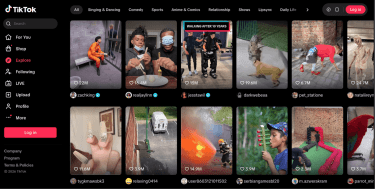
| Suitable for | Sharing and watching short-form videos. |
| Price | Free |
| Ad-free | No |
| Registration required |
|
| Audience | Anyone interested in watching, creating, and sharing short-form videos. |
| Average monthly visits | Over 2 billion |
| Highest video quality | Up to 1080p depending on device, region, and network conditions. |
| Website | https://www.tiktok.com |
| Apps for iOS | Download TikTok for iOS |
| Apps for Android | Download TikTok for Android |
TikTok is a short-form video platform where users share clips ranging from seconds to several minutes. Its recommendation system is designed to surface videos users are likely to enjoy, including content from creators they don’t follow, making discovery a central part of the experience.
Pros and cons for viewers
| ✅ Enjoy short, fast-paced videos that grab your attention quickly. | ❌ Focus on quick content means less depth than long videos. |
| ✅ Discover content that matches your interests through a personalized feed. | ❌ Emphasis on trends can make videos feel repetitive. |
| ✅ See trends, challenges, and creative clips from around the world. |
Pros and cons for creators
| ✅ Upload short videos with the potential to reach new audiences fast. | ❌ Frequent posting can help maintain visibility, which may be demanding for some creators. |
| ✅ Use built-in editing and effects tools to enhance clips without external software. | ❌ Trends change rapidly, making staying relevant draining. |
| ✅ Earn with creator programs, live gifts, and in-app shopping features like TikTok Shop, depending on eligibility and region. | ❌ Some monetization programs have eligibility requirements, such as minimum follower counts or engagement levels. |
How does TikTok fare on privacy?
Like other social media platforms, TikTok collects user information to operate its service, personalize content, and deliver ads. This includes account details such as usernames, contact information (if provided), and date of birth, as well as technical data such as IP address and approximate location.
TikTok also states that it can process direct messages sent on the platform that are not end-to-end encrypted for purposes such as moderation, safety, and legal compliance. In addition, TikTok uses collected data for advertising, content recommendations, analytics, and security, in line with its privacy policy.
How to choose the right YouTube alternative
Each YouTube alternative offers a different user experience. It’s important to find one that supports your goals, fits your content style, and gives you a better overall experience.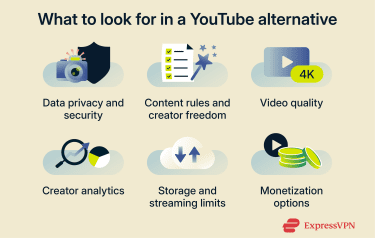
Protecting user privacy and content security
Privacy and security matter for both creators and viewers. Some platforms place greater emphasis on privacy controls or data minimization than others, though practices vary widely by service and region. When choosing a platform, read its privacy policies and see how it protects user data and secures your content.
Platform rules that shape creator freedom
Each platform handles content moderation differently, affecting creators and audiences alike. Some services allow a wider range of topics, while others are more curated or have policies that define what creators can share.
Check how flexible the platform’s rules are, and consider whether they align with the kind of content you want to make or consume. A platform with clear, creator-friendly guidelines can help you avoid unexpected restrictions and make it easier to watch the content you love.
Video playback quality and streaming options
Video quality is another factor worth considering. Some YouTube alternatives support high-resolution playback, including 4K, though availability varies by platform and pricing tier. Some video-sharing platforms also offer live streaming or different playback features.
Insights into audience behavior and content performance
Creators might want to consider whether a platform provides analytics and insights about how people interact with their videos. Some services provide detailed performance data that helps you understand views, engagement, and audience trends. These insights can help you personalize future content and grow your channel more effectively.
Limits on hosting and bandwidth
When considering a YouTube alternative, it’s important to look at upload limits for creators, such as the amount of video storage the platform provides over time. Many alternatives set defined caps on storage or uploads, while someplatforms allow ongoing uploads for most users, subject to platform policies and account standing. For example, Vimeo’s entry-level paid plan includes up to 2TB of video storage, which is generous but still represents a fixed limit that high-volume or long-term creators need to plan around.
Viewer bandwidth and streaming limits are another consideration. Some platforms place more defined limits on data delivery or streaming capacity, which can affect playback quality. For viewers, restricted bandwidth may lead to buffering, lower resolutions, or inconsistent performance, particularly during peak usage or when watching higher-resolution video.
Earning opportunities through the platform
Streaming sites can offer a variety of monetization streams, such as subscriptions, donations, ad revenue sharing, and brand deals. Clear, flexible, and fair earning options make it easier for creators to keep making content.
As a viewer, it’s worth checking whether the platform offers a way to support your favorite creators so they can keep making the videos you enjoy.
YouTube alternatives for kids
YouTube’s Restricted Mode is a voluntary filter that may block some mature content, but it may not meet every family's needs. Many parents may also be interested in family-friendly video sites that are fun, safe, simple, and age-appropriate.
Safe platforms with parental controls
The options below limit exposure to adult content and offer more curated, age-appropriate recommendations.
- YouTube Kids: It creates a simplified viewing space focused on children’s videos. Parents can customize content settings, restrict channels, manage search, and set screen-time limits.
- Kidoodle.TV: This platform only publishes content following review by actual humans, which helps reduce the chance that inappropriate content will be seen by children. There are tens of thousands of episodes, including popular children's shows like Peppa Pig and PAW Patrol. You can manage kid profiles, control screen time, and pick age-based categories for your child to watch.
- Netflix Kids: This is a profile setting inside Netflix that shows child-appropriate movies and series. Parents can set maturity ratings, block specific titles, and lock profiles. A Netflix subscription is required.
- Amazon Kids: This provides families with a kid-friendly video and content space, with built-in parental tools that help manage what children see and how long they watch. The optional Amazon Kids+ subscription adds thousands of age-appropriate books, shows, movies, games, and music.
- Nick Jr.: This platform delivers preschool-friendly videos and shows featuring characters like Dora the Explorer and Sunny Day, helping young kids learn while they play. Kids can watch episodes and clips on the website, app, or through streaming services and TV providers that carry the channel (availability varies by region).
Ad-free educational video options
The platforms below provide engaging, safe, and ad-free content that supports early learning in a focused, child-friendly environment.
- PBS KIDS Video: Your kids can watch full episodes and clips designed to support early learning. The content is especially well-suited for preschoolers and early elementary school students.
- Khan Academy Kids: A free learning app with videos, stories, and activities that build foundational skills in reading, math, language, and more. The platform mixes education with playful interactivity, so kids engage with content that feels like learning and fun.
- National Geographic Kids: Offers child-friendly videos and articles about wildlife, science, and exploration, primarily through its website and YouTube channels.
FAQ: Common questions about YouTube alternatives
Who is YouTube’s biggest competitor?
The biggest YouTube competitor isn’t a clear-cut case. TikTok competes most directly with YouTube in short-form video, particularly among younger audiences, while Twitch is a leading platform in a specific segment of YouTube's market.
What is the decentralized version of YouTube?
The closest decentralized alternatives to YouTube are Odysee and DTube. They use blockchain and peer-to-peer (P2P) technologies to reduce centralized control over video hosting and distribution.
Is YouTube Vanced still available?
YouTube Vanced was officially discontinued in March 2022 after receving a a legal request from Google. And the app stopped functioning over time as updates and support ended.
Are there any YouTube alternatives without ads?
Yes, platforms like Vimeo and decentralized video sites like DTube offer viewing experiences with fewer or no platform-run ads. However, Vimeo is primarily a professional video hosting platform rather than a public video-sharing network, while DTube uses a smaller, blockchain-based ecosystem with different discovery and monetization models than YouTube.
Can I monetize videos on YouTube alternatives?
You can monetize videos on several YouTube alternatives, but each platform offers different options. For instance, Rumble lets creators earn through ads and licensing deals; Vimeo focuses on subscriptions and direct video sales rather than ads; and Twitch enables monetization through subscriptions, ads, Bits, and viewer-supported tipping tools.
Vimeo vs. YouTube: Which is better?
Neither Vimeo nor YouTube is objectively better; it depends on your personal preferences. YouTube has a larger reach and stronger algorithm-driven discovery, which can benefit creators seeking broad exposure. Vimeo, on the other hand, prioritizes professional presentation and stronger branding, which makes it better suited for businesses, portfolios, and clients who want a polished viewing experience.
Take the first step to protect yourself online. Try ExpressVPN risk-free.
Get ExpressVPN



















Comments
Nice